
Staying Ahead of the Design Curve
Commercial Interior Design Trends for 2026
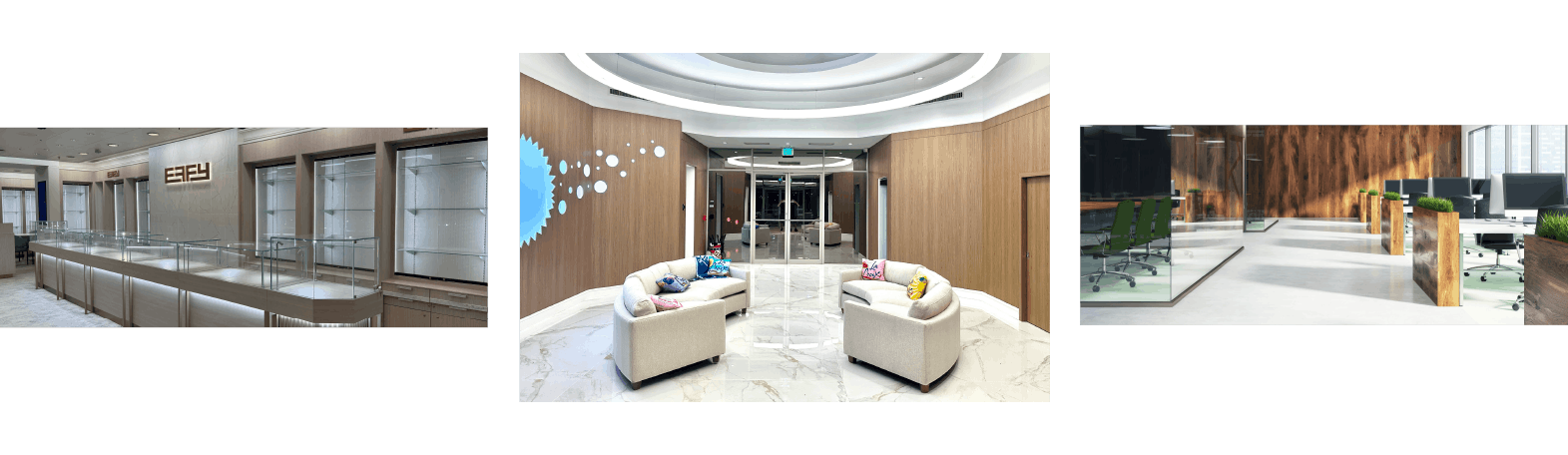

Adaptive Reuse and Surface Renewal
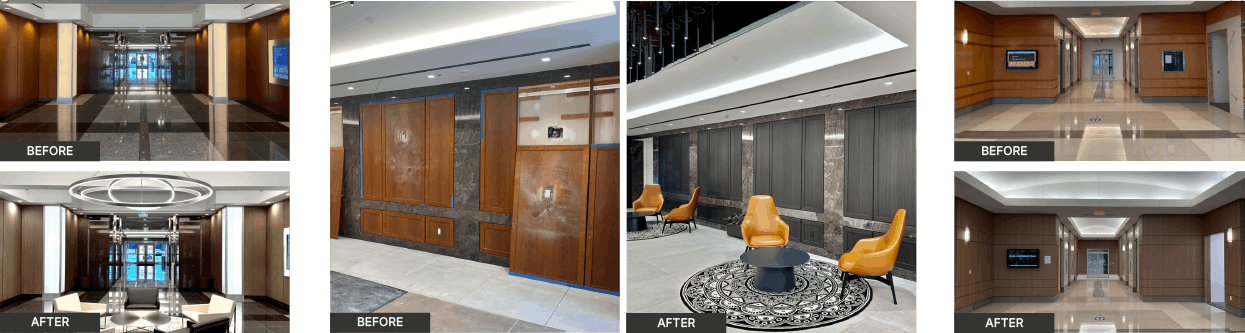
One of the strongest commercial design trends in 2026 is adaptive reuse. Instead of removing and replacing existing interior elements, many commercial spaces are being refreshed by recovering usable surfaces.
This approach allows companies to modernize interiors while reducing downtime, construction waste, and replacement costs.
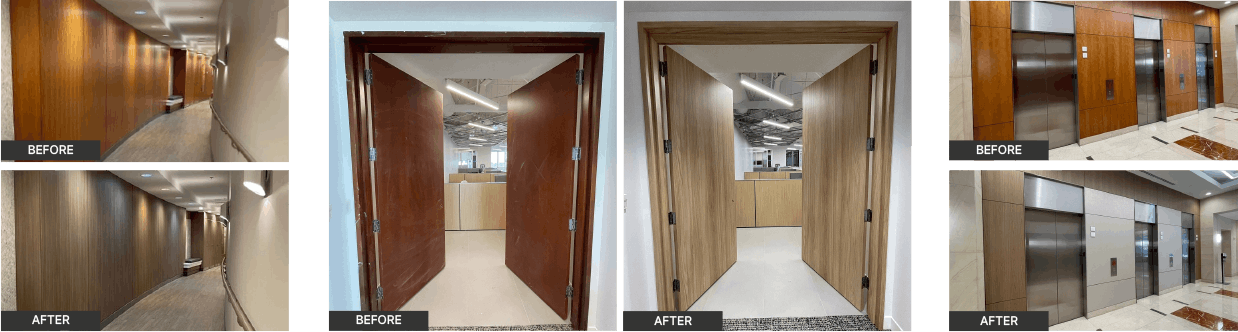
Belbien Architectural Finishes make it possible to update existing surfaces quickly and cost-effectively.
Common applications include:
- Doors
- Elevators
- Reception desks
- Wall panels
- Ceiling panels
- Furniture and fixtures
- Columns
- Glass partitions

Biophilic Design and Natural Materials
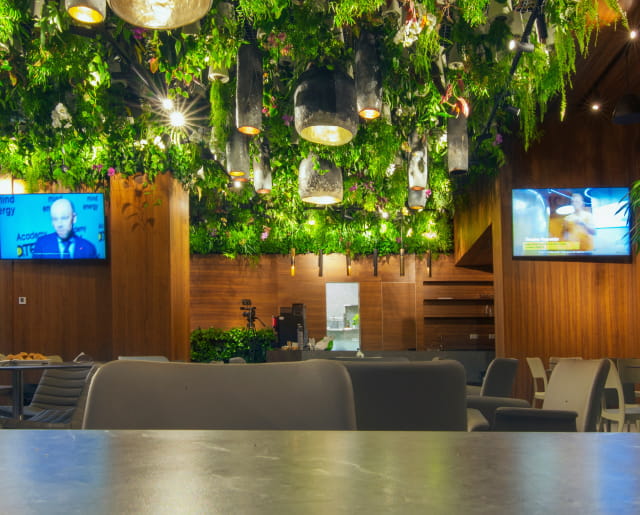
Biophilic design remains a major influence in commercial interiors. Designers continue to bring natural elements into the built environment through wood tones, stone textures, greenery, natural light, and organic patterns.
The goal is to make commercial spaces feel warmer, healthier, and more comfortable.
Belbien’s wood, stone, textile, and natural-look patterns allow designers to introduce biophilic design elements without replacing existing substrates.
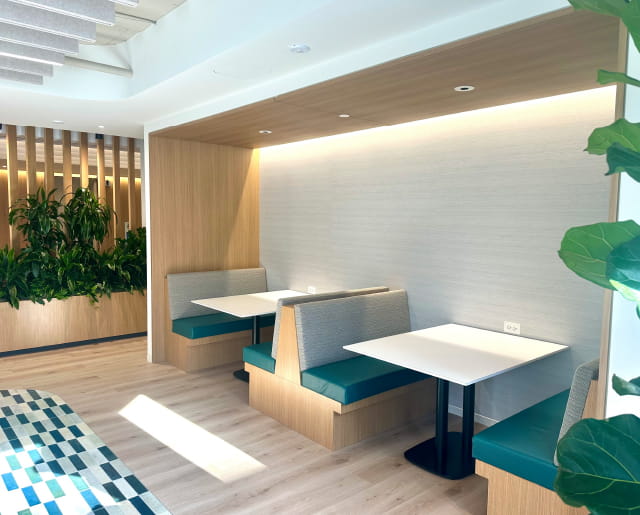

Hospitality-Inspired Office Space
Office design is moving away from traditional corporate interiors and toward hospitality-inspired environments.
Modern office spaces increasingly include:
- Lounge-style seating areas
- Warm wood finishes
- Café-style gathering spaces
- Decorative glass
- Soft neutral palettes
- Branded reception areas
- High-end elevator and lobby finishes
These details help make the office feel more welcoming, especially as companies work to encourage employees and clients to spend more time in physical spaces.


Flexible and Multi-Use Interiors
Commercial spaces need to adapt quickly. A room may serve as a meeting space one day, a training area the next, and a client presentation room after that.
Designers are responding with flexible materials, modular layouts, movable partitions, and finishes that can support different uses without requiring a full renovation.
Architectural films are especially useful in these environments because they allow designers to change the appearance of surfaces while preserving the underlying structure.
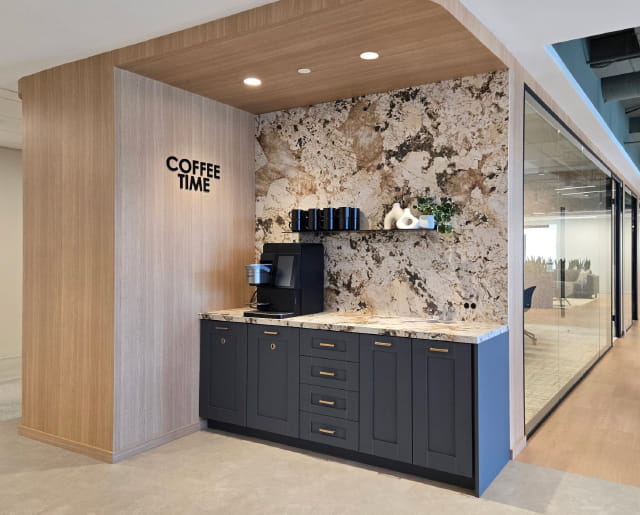

Warm Neutrals, Wood Tones, and Textured Finishes
The color palette for 2026 continues to favor warm, calming, and natural finishes.
Popular directions include:
- Warm whites
- Soft taupes
- Greige
- Natural oak
- Walnut
- Charcoal
- Stone-inspired neutrals
- Textured metallics
- Matte and low-sheen finishes
These finishes help commercial interiors feel more inviting while maintaining a professional appearance.


Sustainability and Lower-Impact Renovation
Sustainability is no longer a niche design concern. It is a practical priority for building owners, tenants, designers, and facility managers.
Recovering existing surfaces instead of replacing them can help reduce waste, extend the life of interior elements, and limit disruption during renovation.
For commercial interiors, sustainability often starts with a simple question: can the existing surface be renewed instead of removed?